
THE FIRST VALEDRIA COLLECTION ARRIVES 2027 · JOIN SILLAGE

Fragrance Notes

A shared language for what you smell.

Every fragrance description on this site draws from the same fixed vocabulary, so the words mean the same thing from one product to the next. Here's what the recurring materials actually are.

Amber / Oriental, Woody

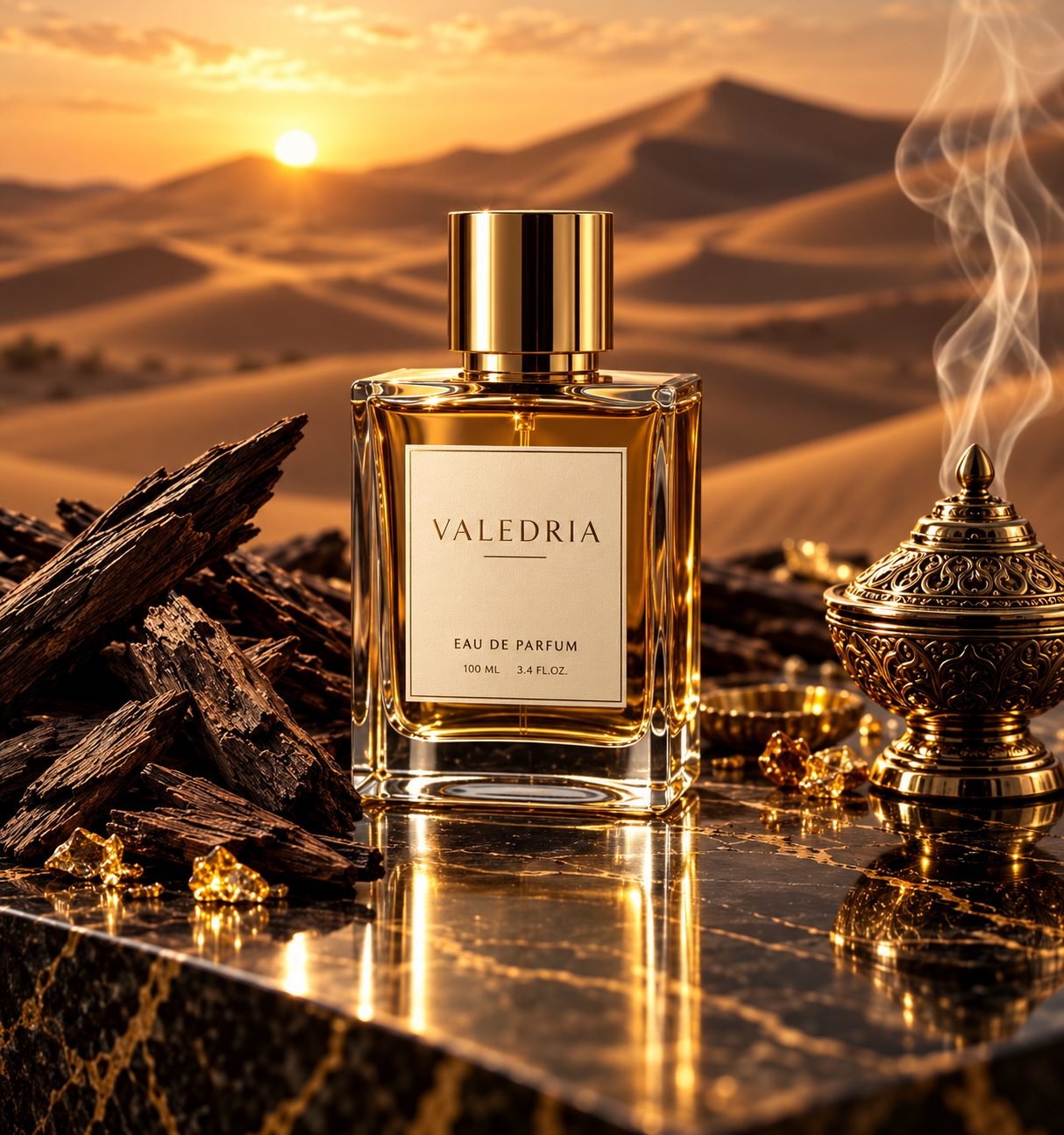
Oud

Oud is the resinous, agarwood-derived material at the centre of Gulf perfumery — dense, animalic, and unlike anything in the Western fragrance vocabulary. It forms when Aquilaria trees produce a dark resin in response to a specific mould infection; the resin, not the wood itself, is what perfumers extract.

It smells dark, leathery and faintly smoky, with an animalic depth that can read as barnyard-adjacent in its rawest form and refined, woody-sweet when blended with restraint. Quality and character vary enormously by origin and extraction method — two oud oils can smell almost unrelated.

Pairs well with rose, saffron, amber and incense. It's the material most responsible for the density in the direction we're building — see The Fragrance for how we're thinking about it.
Amber / Oriental

Amber

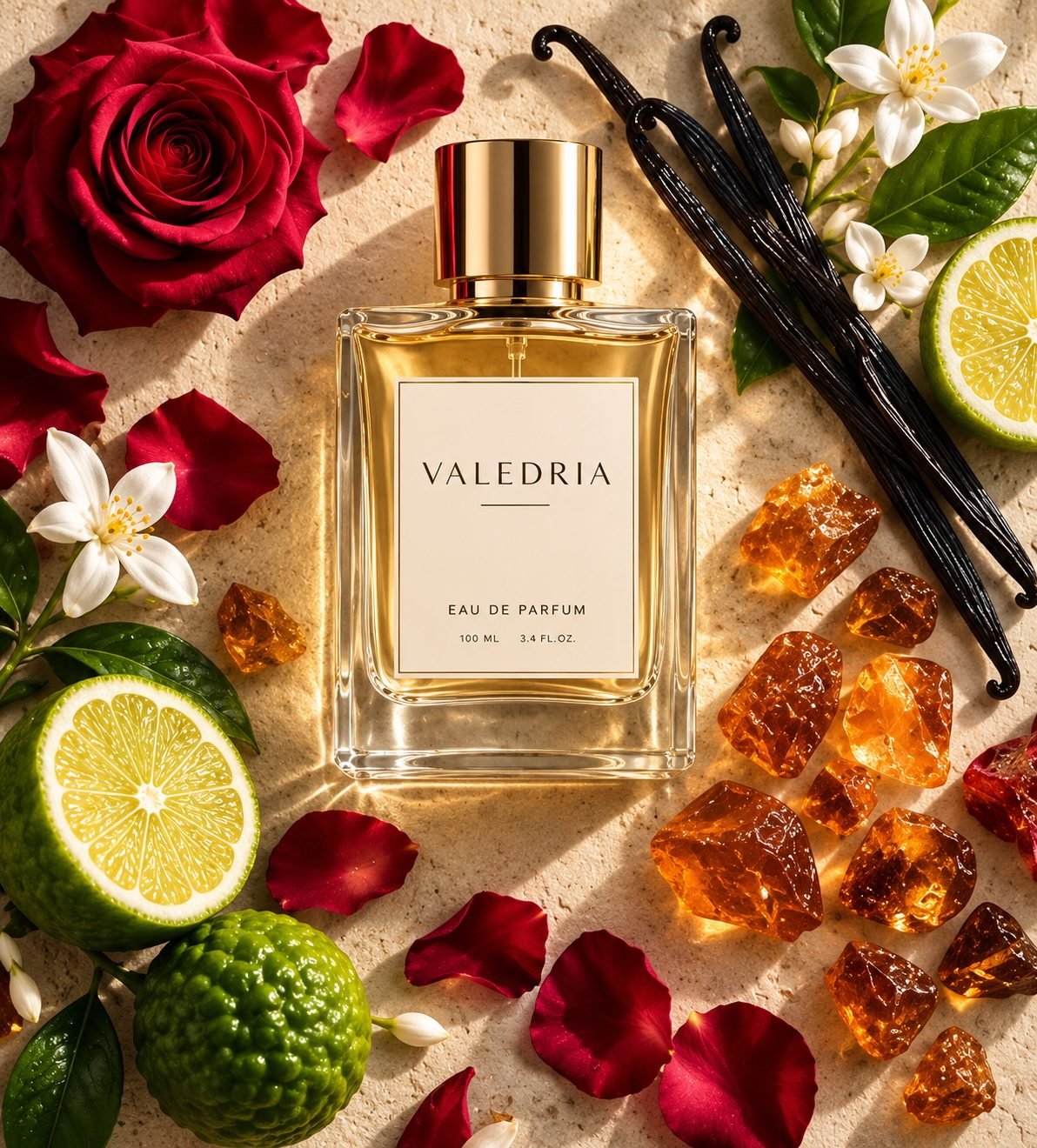
Despite the name, "amber" in perfumery is almost never fossilised tree resin — it's a perfumer's accord, most often built from labdanum, vanilla, benzoin and warm resins, constructed to evoke warmth rather than to replicate a single raw material.

It smells warm, sweet-resinous and enveloping, closer to a candle's afterglow than a single ingredient. The best amber accords have real structure to them — a base, a middle, a top — rather than reading as one flat sweetness.

Pairs well with oud, vanilla, incense and dry woods. Central to the warmth we're building the debut collection around.

Amber / Oriental, Chypre

Labdanum

Labdanum is a sticky resin harvested from the Cistus (rockrose) shrub, common across the Mediterranean. It's one of perfumery's oldest materials, referenced in incense recipes for millennia, and the actual backbone of most modern "amber" accords.

It smells resinous, leathery and faintly animalic, with a honeyed warmth underneath — closer to worn leather and dried fruit than to flowers. On its own it can smell almost smoky.

Pairs well with oakmoss (in chypre structures), vanilla, and amber accords generally. Worth knowing by name if you like the word "amber" on a label.

Fresh, Chypre

Bergamot

Bergamot is a bitter citrus fruit, grown almost exclusively in Calabria, Italy, and pressed for the oil in its peel. It's the single most-used material in modern perfumery, appearing in a large share of all fine fragrance ever made.

It smells bright, slightly bitter and floral-citrus — more complex than lemon, with a faint tea-like quality. It's almost always a top note, present in the first few minutes and gone within the first hour.

Pairs well with almost everything; it's perfumery's most common bridge between citrus openings and whatever comes next. The Western "counterpoint" we mention on The Fragrance page starts here.

Woody, Amber / Oriental

Incense

In perfumery, "incense" usually means frankincense (olibanum), a resin tapped from Boswellia trees native to the Horn of Africa and southern Arabia, or sometimes myrrh, a related resin. Both have been burned as incense for thousands of years.

Frankincense smells resinous, slightly citrusy and cool — closer to church air and cold stone than to smoke itself. Myrrh is darker, more bitter and medicinal. Both can smell genuinely smoky when the material is actually burned rather than solvent-extracted.

Pairs well with oud, amber and dry woods. One of the materials that most directly signals the Gulf side of the direction we're building.

Woody, Chypre, Fresh

Vetiver

Vetiver is a grass, and the perfume material comes from its roots, which are dug up, dried and steam-distilled. Most fine vetiver comes from Haiti, Java and Réunion, each producing a noticeably different character.

It smells earthy, smoky and slightly bitter, with a green, root-like quality that can lean dry and woody or damp and mossy depending on the distillation. It's a genuinely load-bearing material — entire fragrances are built around it.

Pairs well with citrus, iris and dry woods. The material most likely to appeal if your quiz result leaned toward The Minimalist or The Modern Classic.