
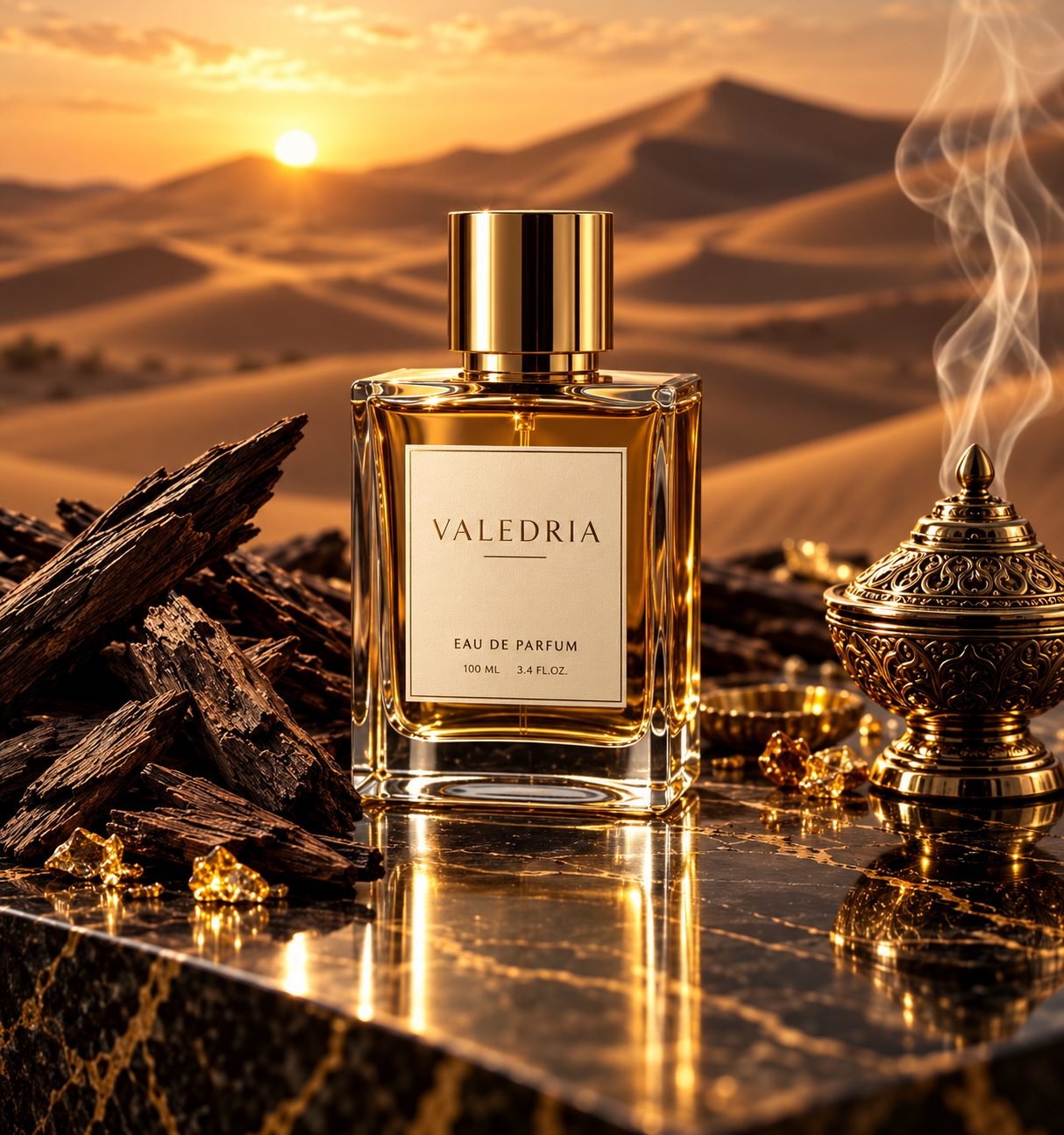
Oud has a reputation problem in Western fragrance circles, and it's not entirely undeserved. Used carelessly, it can smell exactly like its critics say: barnyard, medicinal, overwhelming from across a room. Used well, it's one of the most interesting materials in perfumery — and the reason so many "oud" fragrances on department store shelves smell thin and synthetic is that most of them barely contain any.
Why it divides opinion
Real oud oil, distilled from resin-infected agarwood, is genuinely strange the first time you smell it in isolation — dark, leathery, faintly animalic, with none of the polish Western noses associate with "perfume." That strangeness is exactly why Gulf perfumery has built centuries of tradition around it, and exactly why Western niche brands tend to use it sparingly, as an accent rather than a foundation.
Neither approach is wrong. But a fragrance built around oud, rather than merely flavoured with it, asks something different of the wearer than a fragrance that name-drops it in the marketing copy.
Density is not the same as heaviness
The oud fragrances that read as elegant rather than overwhelming almost always pair density with clarity — something bright enough to cut through, not just more richness stacked on richness.
The oud compositions that work — the ones that read as rich rather than exhausting — almost always pair the material with something that provides contrast: a sharp citrus top, a peppery spice, a clean musk underneath. Density without contrast just reads as heavy. Density with a counterpoint reads as built.
This is the actual argument for combining Gulf materials with Western minimalist construction, rather than treating it as a marketing angle: restraint is what makes density wearable in daylight, at a desk, in a lift with other people in it.
How to actually wear it
Start with less than you think you need — oud projects further than lighter materials, and what feels invisible on your own nose after ten minutes of wear (a real phenomenon called olfactory fatigue) may still be very present to everyone else. One or two sprays, not four. Apply to skin rather than clothing if you want it to fade more predictably over the day rather than lingering at full strength on fabric.
And test it away from the counter it was sold at. Oud compositions change more than most over the first hour — the sharp opening accord that got your attention in-store is rarely what you'll be wearing three hours later.